
Books
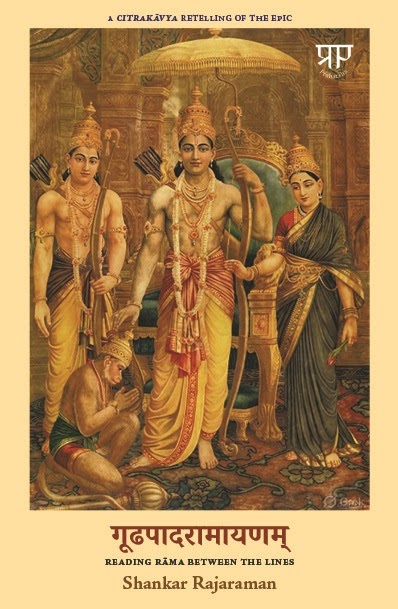
गूढपादरामायणम् (Gūḍhapāda Rāmāyaṇam)
A Retelling of the Rāmāyaṇa in 181 Anuṣṭubh VersesGūḍhapāda Rāmāyaṇam is a retelling of the Rāmāyaṇa (Bālakāṇḍa through Yuddhakāṇḍa) in 181 Anuṣṭubh verses under the gūḍhapāda constraint: in each verse, one pāda (quarter-verse) is hidden inside the other three via exact syllabic frequency.
Published by Praharsha Publications, Bengaluru (2026), this work represents the first strict execution of this classical citrakāvya (constrained poetry) technique at a narrative scale, observing complete phonetic integrity and positional freedom for the hidden pāda.
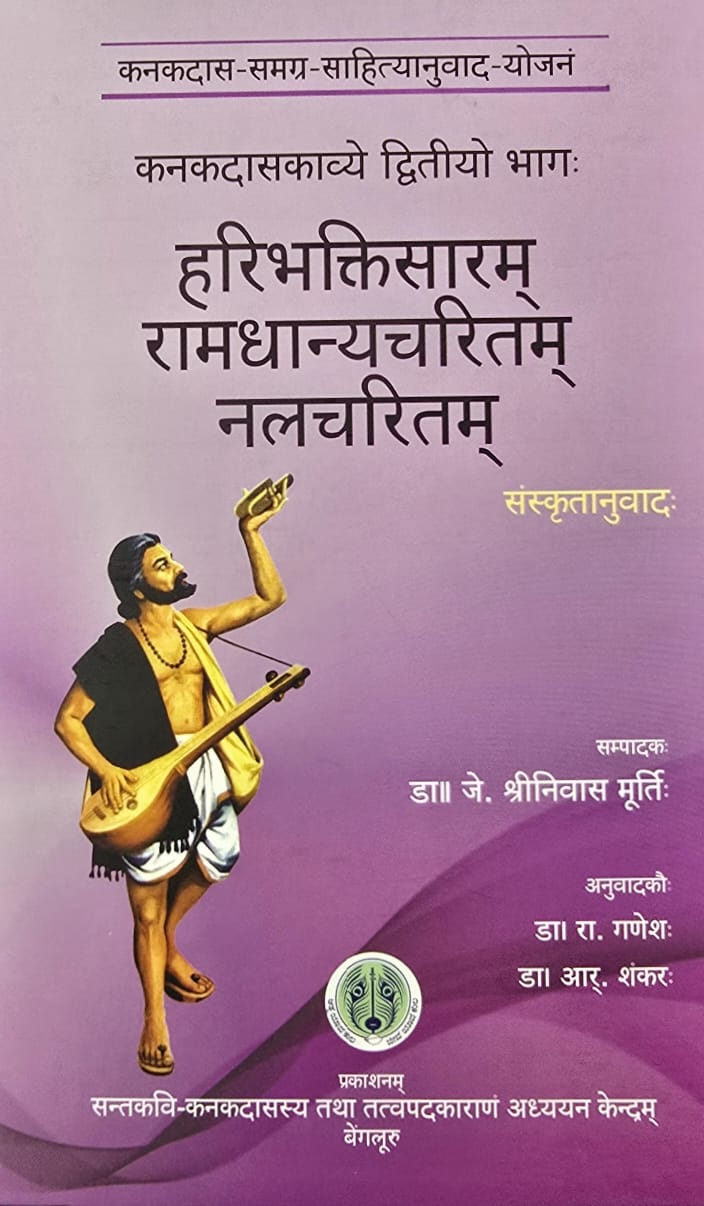
Nalacaritam
Sanskrit Translation of Kanakadasa's Kannada WorkThe Sanskrit translation of the longer Nalacaritam, one of the important poetic works of the great Kannada saint-poet Kanakadasa. It appears in Volume II of The Complete Works of Kanakadasa Translated into Sanskrit, brought out by the Saint Poet Kanakadasa and Tatvapadakarara Study Centre, Kalagrama, Bengaluru.
The translation preserves important features of old Kannada poetic practice such as the Bhāminī Ṣaṭpadī structure, dvitīyākṣaraprāsa, stylistic continuity, and the aesthetic movement of the original composition. The volume also includes translations of Haribhaktisāra and Rāmadhānya Carite by Śatāvadhānī Dr. R. Ganesh.
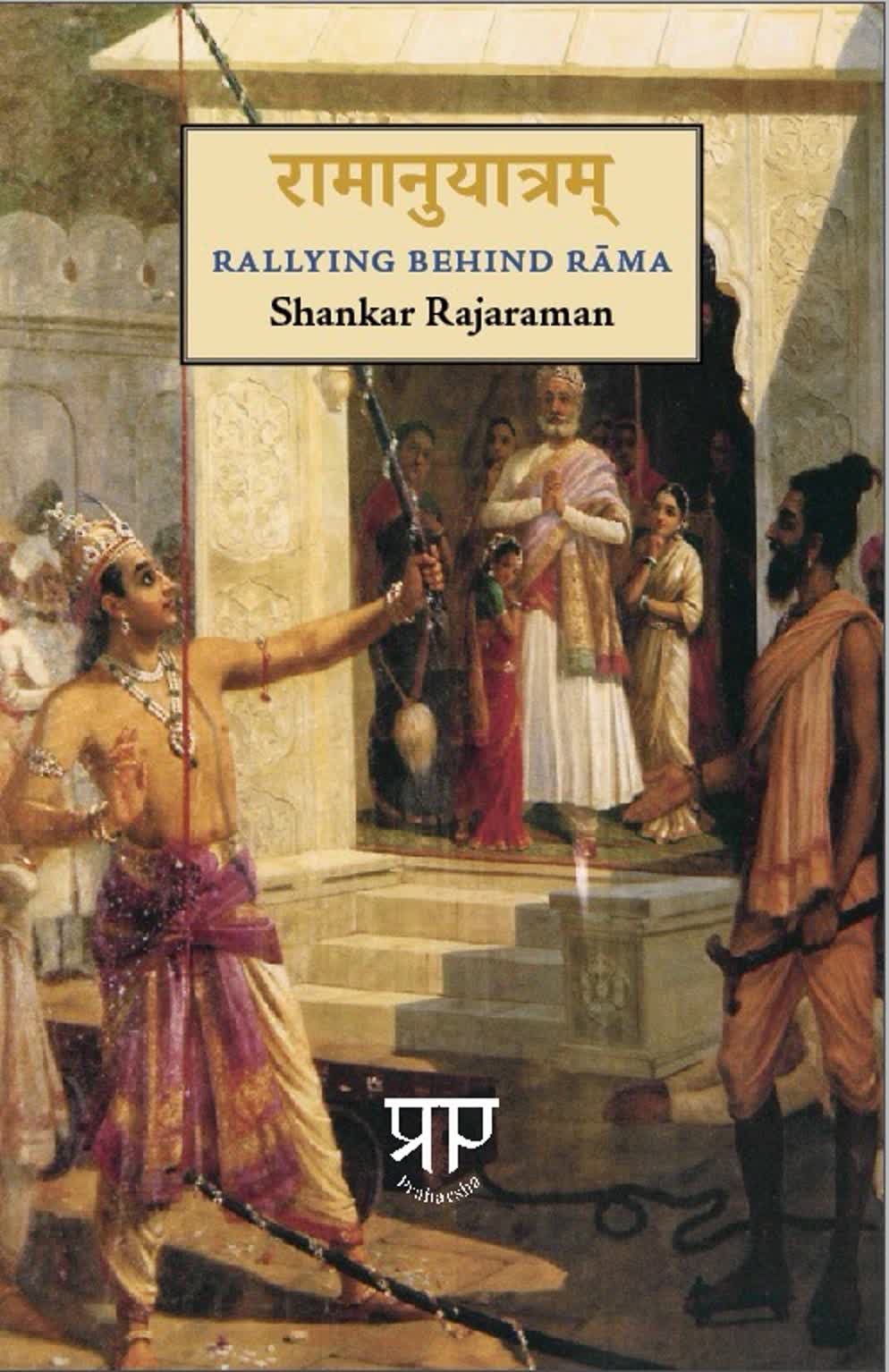
रामानुयात्रम् (Rāmānuyātram - Rallying Behind Rāma)
A Khaṇḍa-kāvya of 131 VersesRāmānuyātram (Rallying Behind Rāma) is a khaṇḍa-kāvya of 131 verses that transforms the historic 1990 Rāma Ratha Yātrā into a classical Sanskrit poetic journey. Drawing inspiration from Kālidāsa’s Raghuvaṃśa and Māgha’s Śiśupālavadha, it traverses India’s landscapes—its mountains, rivers, cities, and people—through the eyes of a moving chariot.
Blending historical realism with poetic imagination, and composed predominantly in the Vasantatilakā meter, the work reaffirms Sanskrit’s vitality as a living medium capable of illuminating contemporary history with classical grace—uniting nationalistic spirit, devotional fervour, scholarship, and emotional depth.
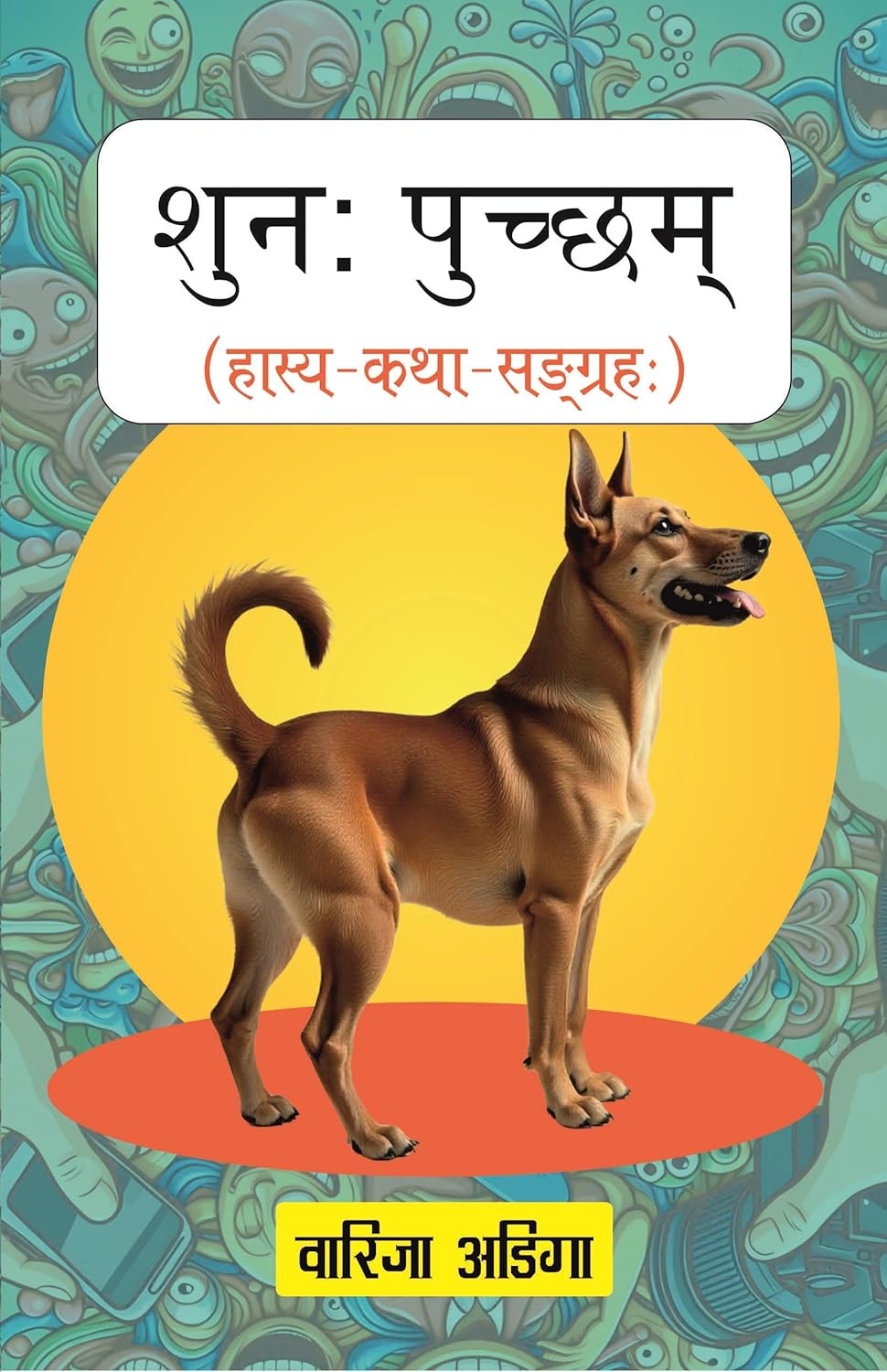
शुनः पुच्छम् (Śunaḥ Puccham)
Contemporary Sanskrit Stories and EssaysThis book is a unique collection of Sanskrit stories with a modern twist, blending humor and wisdom to reflect contemporary society. Written entirely in Sanskrit, it offers readers both entertainment and enlightenment.
The title “Śunaḥ Puccham” (Dog’s Tail) is derived from the Sanskrit idiom that describes situations where there is an unexpected twist at the end—just as a dog’s tail remains curved no matter how much you try to straighten it. Each story in this collection ends with such a delightful twist, challenging our expectations about everyday life.
The book concludes with a curated list of Subhāṣitas (wise sayings) relevant to the stories and essays, providing an easy reference for those keen to deepen their understanding of Sanskrit verses. Perfect for both new learners and seasoned scholars of Sanskrit.
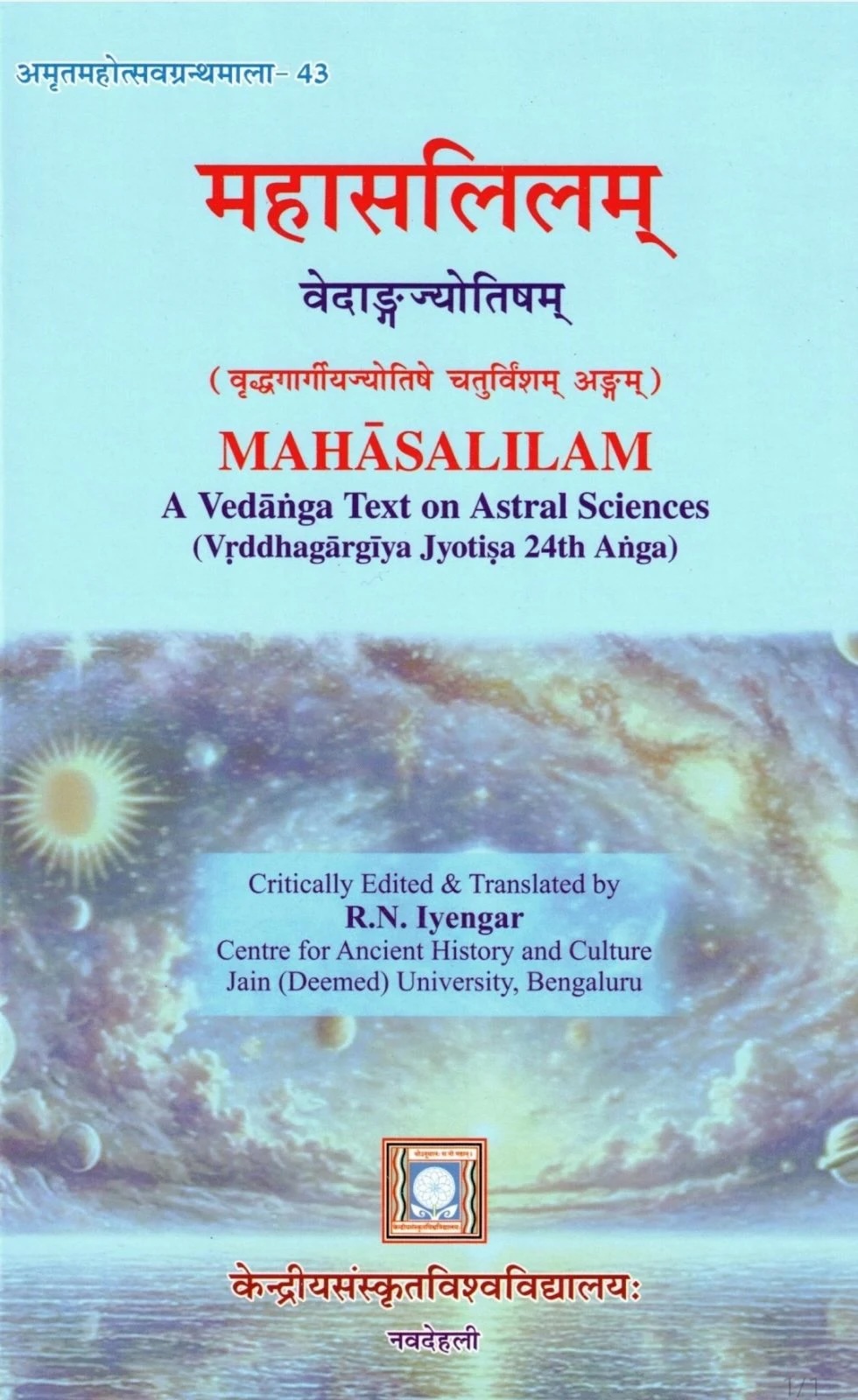
Mahāsalilam
Vedāṅga Text on Astronomical SciencesA question that often arises is about positive sciences of India before the Common Era and their links with the Vedas. The present monograph brings out for the first time the Mahāsalila part of the Vṛddhagārgīya Jyotiṣa, critically edited from eleven manuscripts collected from libraries in India and abroad. Salilam is the name of the primordial state of dark-matter called andhaṁ-tamaḥ out of which all creation including the celestial bodies emerged. The Mahāsalilam in prose, introduces observations and quantification in terms of numbers, through a set of nearly one hundred questions and explanations, in a style that is archaic and original as emanating from the Vedic world view. Foundational concepts of astral sciences that over centuries evolved as Indian astronomy and astrology can be traced to this source in seed form. Earliest description of the five planets in terms of their brightness, six monthly lunar eclipse period, classification of comets, a theory of rainfall, instant of full moon as pūrṇatithi, astronomical background of the Vedic sānnāyya, are here. The synchronization of the five-year solar cycle with the sixty-seven sidereal lunar cycle is given. The text belongs to the maghādi era (c 1800-1600 BCE) when the summer solstice was with the maghā nakṣatra, centuries before the śraviṣṭhādi winter solstice calendar of Lagadha.
भारावतारस्तवः (Bhārāvatārastava)
In this poetic work consisting of fifty verses, the author offers praise to the Lord Śiva. Except for the final verse, which is composed in the indravajrā meter, all the verses herein are written in the vasantatilakā meter. The poet composed this hymn inspired by the style of the Ānandasāgarastava written by Nīlakaṇṭha. The “laying down of the burden” (bhārāvatāra) refers to placing a weight upon the shoulders or head of someone else. In this poem, the author casts the heavy weight of suffering caused by the bonds of worldly existence onto Lord Śiva and prays to Him, saying, “Deliver me.” Whether contemplating the Deity as a friend, a master, a father, a teacher, a lover of His devotees, a refuge, the cause of dissolution, the granter of liberation, or as non-different from the self, almost all of the poet’s verses shine with devotion.
निपुणप्राघुणकम् (Nipuṇaprāghuṇakam)
A Sanskrit BhāṇaNipuṇaprāghuṇakam falls under the Bhāṇa genre, which is one of the ten classical forms of Sanskrit drama outlined in the Nāṭyaśāstra.
Bhāṇa is considered the most challenging dramatic style in Sanskrit literature, featuring a single performer who portrays various absent characters, sustaining the story’s continuity via speech, movements, and the ākāśabhāṣita technique—engaging in dialogue with entities not physically on stage.
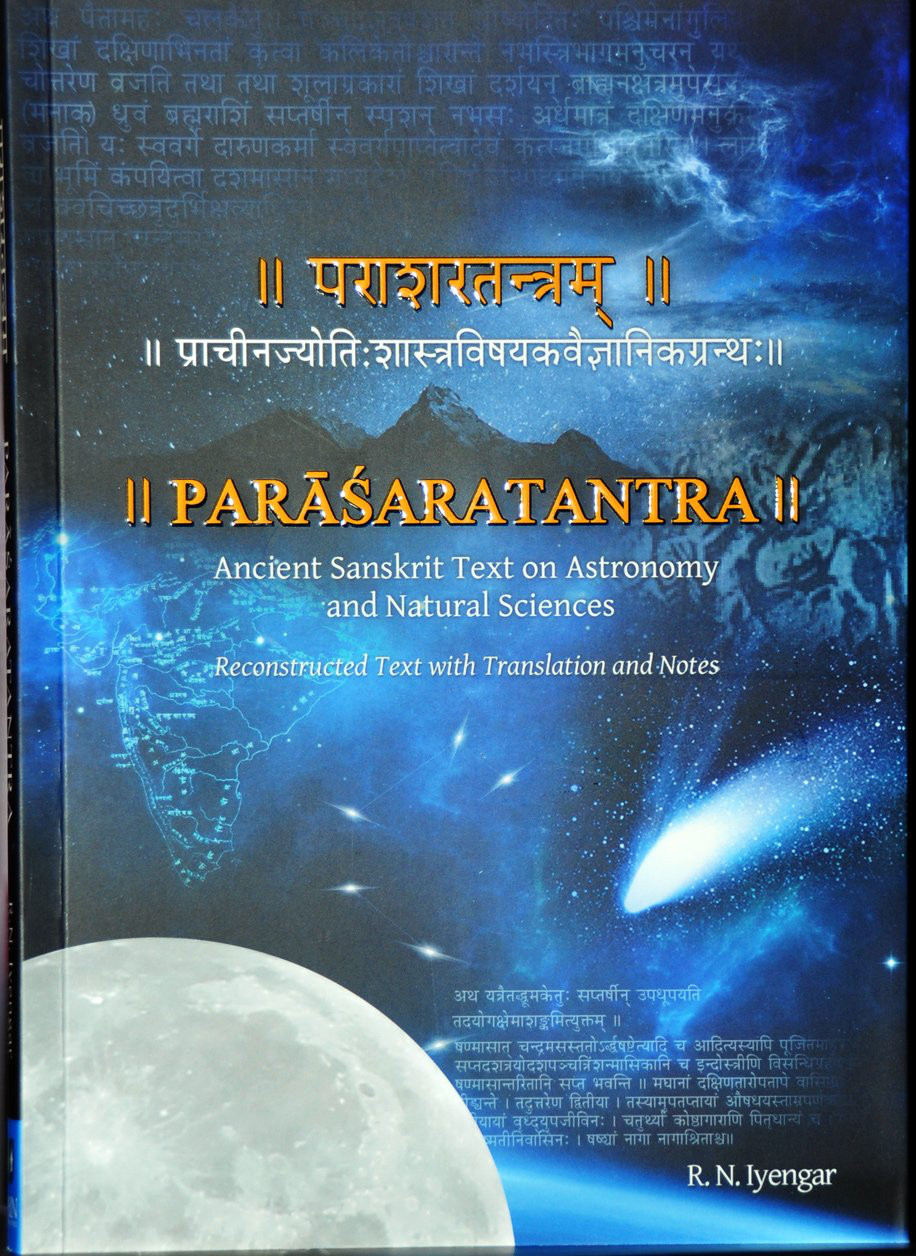
पराशरतन्त्रम् (Parāśaratantra)
The 21 chapters present a compilation of Sanskrit texts by Parasara, a sage and scholar from ancient India dispersed in the commentaries of scholars such as Varāha-mihira, Utpala, Ballāla-Sena and Bhaskara-Yogi living between 6th and 13th century.
The text is accompanied by relevant archaeo-astronomical analysis of Parāśara’s season solar zodiac and observation of the heliacal rise and set of star Agastya (Canopus).
This reconstructed text with translation and notes by RNI is a fruition of a long journey of research and investigation into History of Science in India.
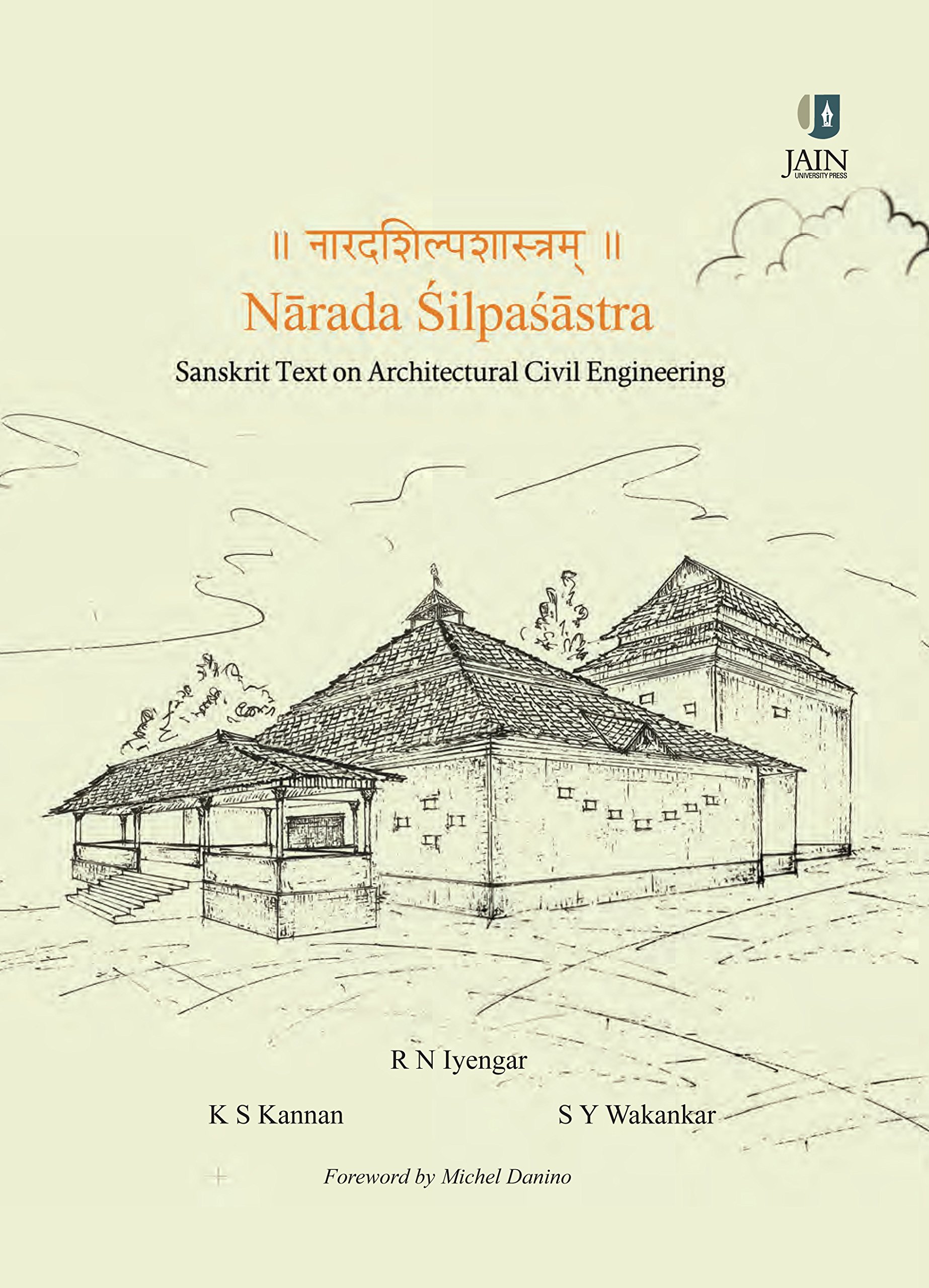
नारदशिल्पशास्त्रम् (Nārada Śilpaśāstra)
This text, in terse technical Sanskrit prose describes site selection, planning of villages and cities, construction of roads, dams, lakes, foundation, basement, and super structure of private and public buildings including marriage halls, art galleries, theaters and temples.
Internal evidences point out that in its present form, this text originated at a time when weekdays were not in vogue, but acquired additional material at a later period and fixed in South India around 6th century CE.