Indian Astronomy through Observations from Ancient Periods
This lecture series provides an introduction to the observational foundations of ancient Indian astronomy. Delivered as part of the Indian Knowledge Systems (IKS) curriculum at Jain (Deemed-to-be) University, the materials outline the foundational methods used by ancient observers to track celestial motion, establish calendars, and record long-term astronomical shifts.
Presentation Materials
- 📺 View Online Presentation - Interactive HTML version
- 📄 Download PDF - Printable version
Core Topics Covered
- Rhythms of Celestial Objects: Systematic tracking of the Sun and Moon, noting daily changes in rising/setting positions.
- Calendar Systems: Structural outline of Luni-Solar calendars (Panchanga, Tithi, Masa).
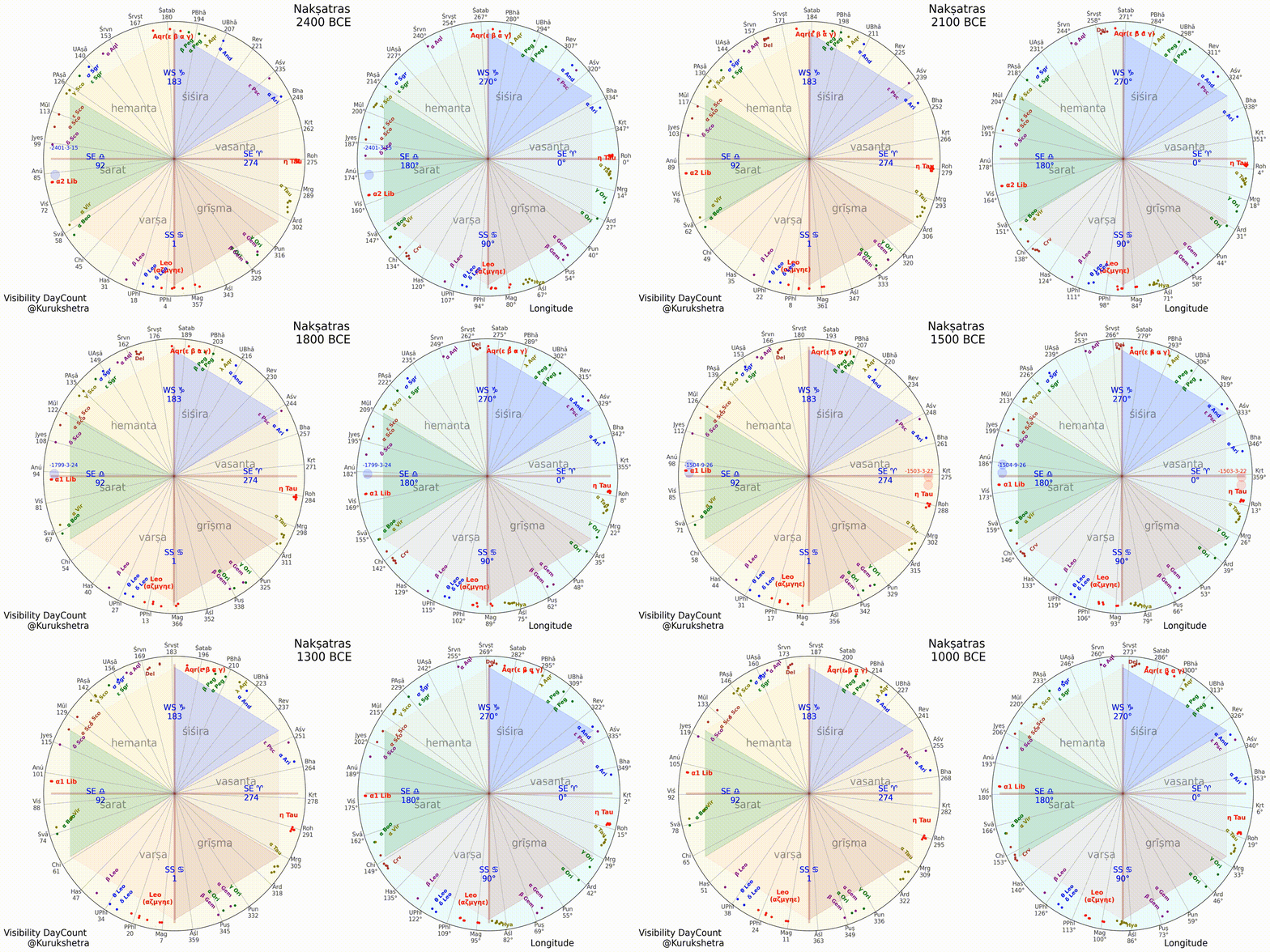
- Nakṣatras as Sky Coordinate Divisions: Space/time mapping of the ecliptic.
- Precession of the Equinoxes: Understanding the slow westward drift of solstitial and equinoctial points and its application in dating ancient texts.
Seasonal Nakṣatra Drift
Axial precession causes the nakṣatra associated with a given season to drift backwards over time at a rate of approximately 1° every 72 years (or one full nakṣatra span of 13°20’ in roughly 960 years). This astronomical clock is one of the key tools for chronological dating of ancient literature like the Vedas and Puranas.